Skip to content
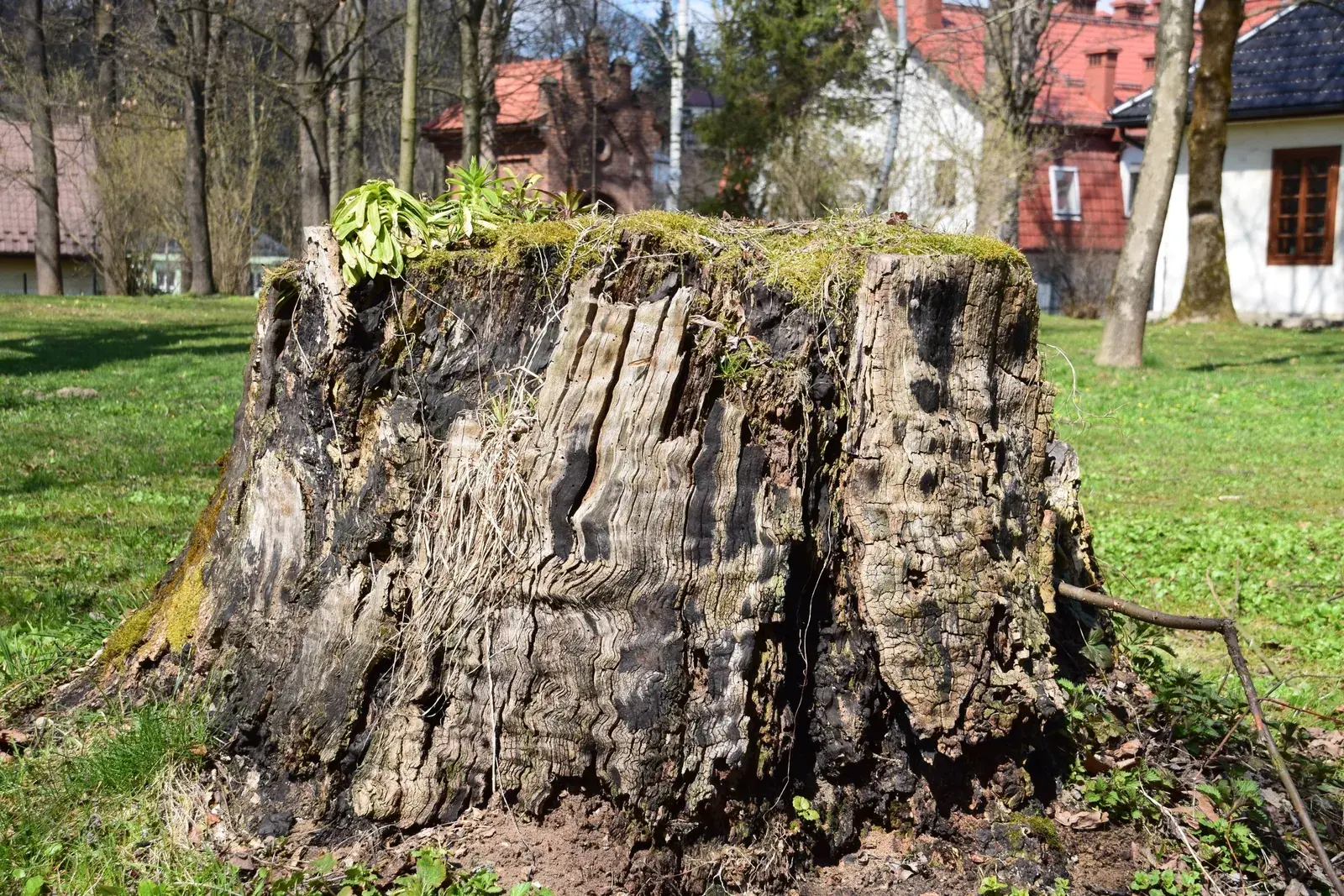
A large, weathered tree stump in a lawn, waiting for stump grinding

Stump grinding in Yuba City, CA

Stump grinding in Yuba City, Marysville, and the rest of Yuba-Sutter for old stumps in the lawn and fresh ones after a removal, handled by a licensed local tree company that looks at the stump first and quotes it in writing.

Grinding vs. full removal

Do you need stump grinding or stump removal?

For most stumps in Yuba City yards, stump grinding is the right call, and it's the quicker, smaller job of the two. Full stump removal is for the few spots where the roots have to come out as well, and what you plan to put there next usually decides it.

Grinding takes the stump down into chips a few inches below the soil and leaves the roots in the ground to break down on their own. For new lawn, a flower bed, or a tree planted a few feet to one side, it's usually all you need. It's also gentler near a fence, a sidewalk, or a sprinkler line, because the grinder works from the top down instead of tearing roots out sideways.

Full stump removal digs out the stump and its main roots, often with an excavator or a lot of shovel work. It leaves a much bigger hole and takes a lot more work, so it mostly comes up when a slab, a patio, a shed, or a pool deck is going right where the stump stands, or when thick roots are lifting a walkway. Tell the tree company what the spot is for, and the crew can tell you which job fits it and why.

One more case calls for getting the roots out. UC IPM says oak root fungus can live for decades in old woody roots, and that digging out what's left is the best way to lower the risk. If a valley oak or a fruit tree died with clusters of mushrooms around its base, mention it in your request. UC IPM also advises against planting a susceptible tree where one died of it.

Match the job to the plan

  • New lawn or sod: grinding
  • Flower bed nearby: grinding
  • Slab, patio, or shed: ask about removal
  • Tree died of root rot: ask about roots
Source: UC IPM: Armillaria root rot (oak root fungus)(opens in a new tab)

The stump grinding process

How stump grinding in Yuba City works

Your stump job will most likely run in the same 4 steps, from finding what's buried near the stump to leaving the spot level and ready for seed. The grinding itself is often the quickest part of the day, once the crew knows what's underground and how to get the machine to it.

Most of the planning goes into what's buried near the stump, how the grinder gets to it, and where the chips end up afterward. A stump in an open front lawn in Live Oak is a simpler job than one tucked behind a side gate in a Plumas Lake backyard, a few feet from the pool and a vinyl fence. Both get done, but the second one takes more care, more time, and often a smaller grinder.

The grinder is a spinning wheel of carbide teeth that shaves the stump down in passes, side to side, until it sits below the soil. It throws chips and dirt, so the crew may set up shields near windows, cars, or a pool. Keep kids and pets inside while it runs, and move anything you'd hate to see dusted with wood chips, like patio furniture, potted plants, or a car parked close by.

  1. Step 01

    Point out what's buried

    811 marks the utility lines, and you show the crew sprinkler pipes, the sewer line, and any wiring near the stump.

  2. Step 02

    The quote sets the depth

    The written quote says how deep the crew grinds, whether surface roots are included, and where the chips go.

  3. Step 03

    The grinder takes it down

    A spinning wheel of teeth chews the stump into chips below the soil. Smaller machines fit through a side gate.

  4. Step 04

    The spot gets filled in

    Chips are hauled off or raked back into the hole, as the quote says, leaving a patch ready for soil and seed.

Stump grinding cost

What affects the cost of stump grinding?

Your stump is priced on its own, after the tree company has come out and seen it in person, so there's no set price per stump to look up. The 4 things below decide most of what you'll see on the written quote, and knowing them helps you describe the stump when you get in touch.

Two stumps that look alike from the street can be quoted quite differently. A wide old valley oak or Modesto ash stump has far more wood to chew through than a narrow fruit tree stump, and a palm stump is stringy and fibrous, so it grinds differently from hardwood. Hidden things matter too, like rocks, old concrete, or a sprinkler line wrapped up in the roots.

If a tree is coming down anyway, ask for the stump on the same written quote, so the crew and the machine only make one trip. In winter, when Yuba-Sutter lawns stay soft and wet for weeks, ask how the crew will get the grinder across the grass, since a heavy machine on soggy ground can leave ruts all the way from the gate to the stump. Late spring, once the ground firms up, is easier on the lawn.

  • Width of the stump

    A wide old stump takes far longer to grind than a narrow one, so its width at ground level matters most.

  • Roots above ground

    Roots snaking across the lawn add grinding time, and a good written quote says whether they're included.

  • Getting the grinder in

    A backyard stump behind a narrow gate needs a smaller machine and more time to reach and grind down.

  • How many stumps

    Several stumps on one visit are usually quoted together, so point out every one you want gone, front and back.

Underground lines and 811

Do you need to call 811 before stump grinding?

Yes, because gas, water, and power lines run under most yards in Yuba-Sutter, and a stump grinder cuts below the surface. USA North 811 marks the public utility lines for free, as long as the request goes in at least 2 working days before the work.

Digging out leftover roots or planting a new tree afterward goes below the surface too. In Northern California, USA North 811 takes the requests to mark underground utility lines before any digging, by phone or online. Leave room for the notice period when you set a day with the tree company, so the grind doesn't have to wait. Fresh paint or little flags on the lawn mean the lines have been marked.

811 marks the utilities' own lines only. Your private lines aren't marked, like sprinkler pipes, a gas line to a pool heater or a shed, low-voltage wiring for yard lights, or the sewer line running out to the street. On older lots in Marysville and Yuba City, roots and old sewer lines can be tangled together, so if you know roughly where yours runs, show the crew before they start.

Ask the tree company whether the crew files the 811 request for the grind. If you plan to dig out leftover roots or plant a new tree yourself later, call 811 or file online first. For a stump close to a levee in Marysville, Linda, or Plumas Lake, check with the local levee district before anyone digs near the levee itself. Stumps on the levee slope or right at its toe are a question for them first.

Before the grind

  • 811 marks, 2 working days ahead
  • Sprinkler lines and valves
  • Where the sewer line runs
  • Wiring to yard lights or a shed
Source: USA North 811: request a locate(opens in a new tab)

Roots and regrowth

Does stump grinding remove the roots?

Stump grinding takes out the stump and the thick knot of wood just below it, but not the whole root system. The roots left in your soil usually die and break down slowly over the years, and only a few kinds of trees try to grow back from them.

Those leftover roots spread under the lawn and beds, often wider than the branches ever reached, and you won't see most of them again. Surface roots are the exception. Roots running across the lawn and catching the mower, a common sight around Modesto ash and other big shade trees, can be ground out too if you ask for them in the quote, so you can mow straight across again.

Some trees fight back. UC IPM notes that many woody plants resprout from the base of the trunk and from low stems after they're cut, sometimes with more shoots than before, and it lists tree-of-heaven among the hardest to control. Some plums and other fruit trees also send up suckers from their roots, so say what kind of tree it was when you get in touch. That way the crew can plan to grind wider and deeper around the base.

If shoots pop up around the old spot after the grind, cut or mow them off as soon as they appear, while they're still soft, and in most cases the roots give up in time. A tree that keeps coming back may need its roots dug out or another approach, so ask the tree company how the crew handles a sprouting tree before the job is booked. Getting it right the first time saves you a second visit next spring.

Mention it in your request if

  • Shoots came up at the base before
  • It was a tree-of-heaven
  • Roots run across the lawn
  • You'll plant in the same spot
Source: UC IPM: invasive and weedy woody plants(opens in a new tab)

After the stump is gone

What to do after stump grinding

After the grind, you'll have a mound of wood chips and soil where the stump stood, often right in the middle of the lawn you want back. Settle what happens to that mound in the written quote before the grinder starts, so the cleanup goes the way you planned.

The pile is often bigger than you'd expect from one stump. Depending on what the quote says, the chips get hauled away, raked back into the hole, or left in a heap for you to deal with. If you want to use it, say so. If you'd rather not deal with it, make sure the haul-away is written into the quote, since a big oak stump can leave more than a pickup bed of chips.

The chips make good mulch spread around shrubs and trees, where they help hold moisture through a hot, dry Yuba-Sutter summer. Keep them pulled back a little from the trunks. Fresh chips are poor ground to plant into, though, so for new lawn or a new tree in the same spot, most of them need to come out and topsoil go in. Grass and young roots struggle in a bed of raw wood.

As the leftover chips and roots rot, the ground over an old stump slowly settles, and winter rain can speed that along. Top the spot up with soil when it sinks, then seed or sod it, and within a season or two it blends into the yard. For a new tree, planting a few feet to one side of the old stump keeps it clear of the thickest old roots and the softest, most settled ground.

Ask the tree company

  • How deep they grind
  • Are surface roots included?
  • Who hauls or keeps the chips
  • Do they backfill with soil?

Before you call

Stump grinding questions

It depends on the stump's width, how many there are, the roots above ground, and whether a grinder fits through the gate. The tree company looks at the stump and puts the price in a written quote before any work starts. We don't charge homeowners for the referral.

Most don't. The roots left in the soil usually die and rot. Some trees resprout from the base of the trunk or the roots, and UC IPM lists tree-of-heaven among the hardest to control. Cut new shoots off as soon as they appear, and say what kind of tree it was when you get in touch.

Often about 4 to 6 inches below the soil for lawn, and deeper where a new tree or garden bed is going in. What you plan for the spot sets the depth, so tell the tree company your plan and ask for the depth in the quote. For a slab or patio, ask about full stump removal.

Yes, though it's easier a few feet to one side. Right on the old spot, the grinder has to go deeper, and most of the chips need to come out and be replaced with topsoil. If the old tree died of root rot, ask the tree company before you replant there.

You can leave it. A stump tucked out of the way rots on its own, though that can take years. Most people grind one because it trips someone, gets in the way of the mower, keeps sending up shoots, or sits right where they want lawn, a patio, or a new tree.